

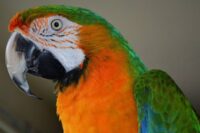
Blue-Winged Macaw
$2,999.98
| Feature | Details |
| Common Name | Blue-winged Macaw / Illiger’s Macaw |
| Average Size | 15 to 17 inches (approx. 40cm) |
| Lifespan | 40 to 50 years with proper husbandry |
| Temperament | Energetic, inquisitive, and loyal |
| Speech Ability | Moderate to High |
The Blue-winged Macaw (Primolius maracana)
The Intelligent Jewel of the Mini-Macaws
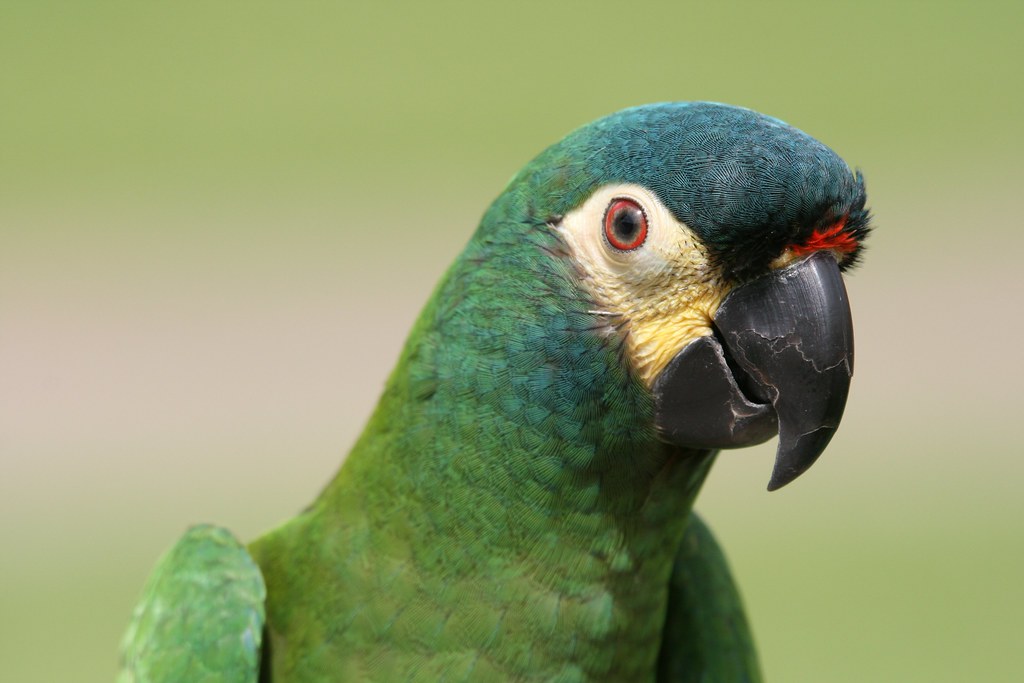
The Blue-winged Macaw, also commonly known as the Illiger’s Macaw, is the perfect choice for those who desire the personality and intelligence of a large macaw in a much more compact, manageable size.
As part of the “mini-macaw” family, the Blue-winged is prized for its high energy, extreme devotion to its owners, and its striking, multi-colored plumage.
Key Characteristics
-
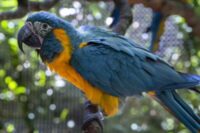
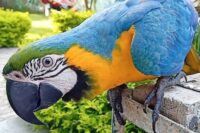
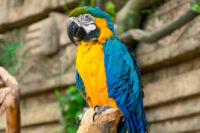
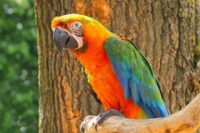
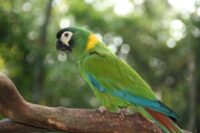
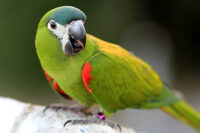
Compact Elegance: While predominantly green, they feature breathtaking blue flight feathers on their wings and a distinct red patch on the lower back and forehead.
-
Large Personality: Don’t let their size fool you. They possess the full “big macaw” temperament—they are playful, mischievous, and incredibly affectionate.
-
Sensitive & Bonded: Blue-winged Macaws are known for being deeply attuned to their owners’ emotions and thrive on consistent, daily interaction.
-
Adept Mimics: They are surprisingly good talkers for their size and are known for their ability to learn situational phrases and whistles.
Quick Facts
| Feature | Details |
| Common Name | Blue-winged Macaw / Illiger’s Macaw |
| Average Size | 15 to 17 inches (approx. 40cm) |
| Lifespan | 40 to 50 years with proper husbandry |
| Temperament | Energetic, inquisitive, and loyal |
| Speech Ability | Moderate to High |
Diet and Enrichment
To keep a Blue-winged Macaw thriving, their environment must cater to their high activity levels:
-
Mental Challenges: They are “busy” birds. They require a wide variety of toys, specifically those made of soft woods, leather, and beads that they can manipulate and take apart.
-
Nutritional Needs: A base of high-quality pellets should be supplemented with plenty of fresh vegetables, calcium-rich greens, and occasional fruits.
-
Exercise: Because they are native to forest environments where they fly long distances, they require significant out-of-cage time to maintain their muscle tone.




Reviews
There are no reviews yet.