
Pineapple Green Cheek Conures
$499.95
| Feature | Details |
| Origin | Selective breeding (Mutation of Pyrrhura molinae) |
| Average Size | 10 inches (25 cm) |
| Lifespan | 20 to 30 years with proper care |
| Temperament | Extremely playful, “spunky,” and affectionate |
| Noise Level | Low (Perfect for apartments) |
The Pineapple Green-cheeked Conure
The Most Popular Mutation in the World
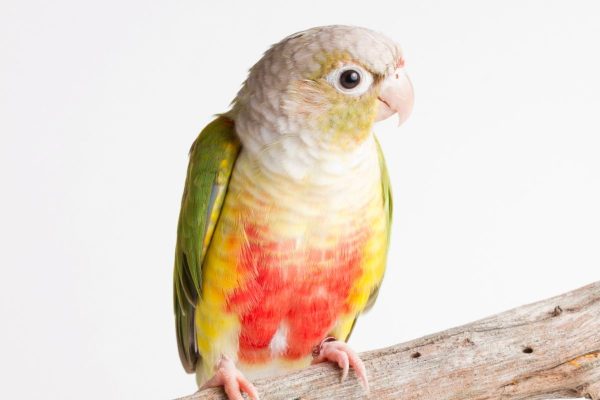
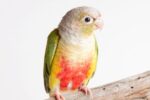
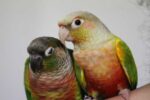
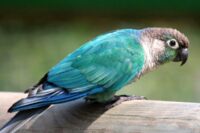
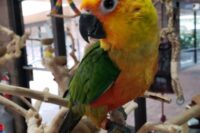
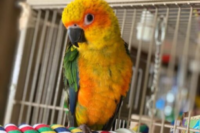
The Pineapple Conure is not a separate species, but a specific color mutation of the Green-cheeked Conure (Pyrrhura molinae). It is the result of crossing two other mutations: the Cinnamon and the Yellow-sided.
This combination creates a bird that looks like a tropical sunset, blending bright yellows, fiery oranges, and soft limes. They are widely considered the “visual masterpieces” of the small conure world.
Key Characteristics
-
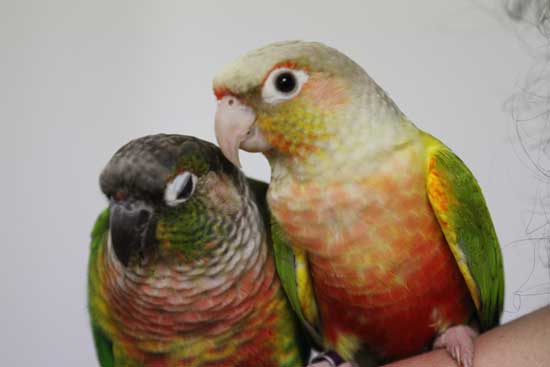
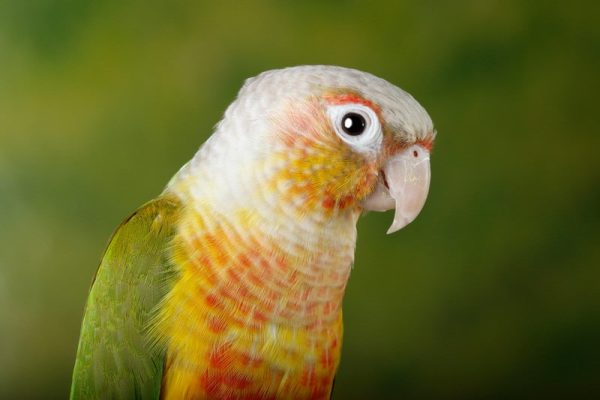
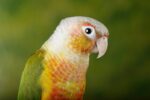
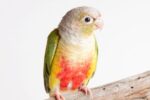
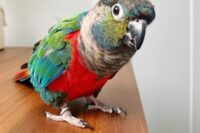
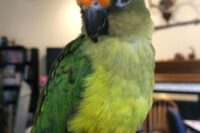
The “Glowing” Chest: Their most famous feature is a bright yellow and vibrant red/orange breast. Because they carry the “Yellow-sided” gene, the red often extends down to their underbelly.
-
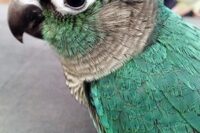
Tan or “Silvery” Head: Unlike the wild Green-cheek (which has a dark grey/black head), Pineapples have a pale, tan, or silvery-grey head. This is due to the “Cinnamon” gene, which lightens the dark pigments.
-
Red Around the Eyes: They often have a “blush” of red or orange feathers around their eyes, giving them a very expressive and “sweet” appearance.
-
Pale Feet and Beak: While wild Green-cheeks have dark charcoal beaks and feet, Pineapple Conures typically have horn-colored (ivory/pinkish) beaks and light-colored feet.
-
Lime Green Back: Their back and wings are a soft, light lime green rather than the deep forest green of the wild type.
Quick Facts
| Feature | Details |
| Origin | Selective breeding (Mutation of Pyrrhura molinae) |
| Average Size | 10 inches (25 cm) |
| Lifespan | 20 to 30 years with proper care |
| Temperament | Extremely playful, “spunky,” and affectionate |
| Noise Level | Low (Perfect for apartments) |
Personality: “A Big Bird in a Tiny Body”
Pineapple Conures share the legendary personality of the Green-cheeked family, but many owners claim they are particularly “mellow” and “sweet”:
-
The Cuddle Factor: They are world-class snugglers. A Pineapple Conure will often try to burrow into your hand, sleeve, or hair to take a nap.
-
The “Nippy” Phase: Like all Green-cheeks, they can be a bit “beaky.” They use their mouths to explore, and young birds may nip to test boundaries. Consistent, gentle training is key.
-
The “Clown” Behavior: They are famous for lying on their backs to play with toys, hanging upside down like a bat, and doing “head bobs” when they are excited or happy.
-
Intelligence: They are highly trainable. Many Pineapple Conures can learn to “wave,” “turn around,” and even “fetch” small objects for treats.
Care & Nutrition
To keep their “Pineapple” colors vibrant, their diet is crucial:
-
Natural Pigments: Feeding foods high in beta-carotene (like sweet potatoes, red peppers, and carrots) helps maintain the richness of the red and orange feathers.
-
Mental Health: Because they are so social, they need at least 2–4 hours of out-of-cage time daily. They thrive on human interaction and can become lonely if left alone too long.
Is a Pineapple Conure Right for You?
If you want a bird that has the “wow factor” of a Sun Conure’s colors but the quiet, manageable volume of a Green-cheek, the Pineapple is your perfect match. They are ideal for apartment dwellers and people who want a deeply affectionate, interactive companion.
Related products

Half Moon Conure
| Feature | Details |
| Common Name | Half-moon Conure / Orange-fronted Parakeet |
| Scientific Name | Eupsittula canicularis |
| Average Size | 9 to 10 inches (23 to 25 cm) |
| Lifespan | 20 to 25 years with proper care |
| Temperament | Docile, curious, and affectionate |
| Noise Level | Low to Moderate (One of the quietest Aratinga-type birds) |
Reviews
There are no reviews yet.