



Carnabys Black Cockatoo
$4,399.98
| Feature | Details |
| Common Name | Black Palm Cockatoo / Goliath Cockatoo |
| Scientific Name | Probosciger aterrimus |
| Average Size | 22 to 24 inches (1.83 to 2.0 feet) |
| Lifespan | 40 to 60+ years (can exceed 80 in some cases) |
| Temperament | Intelligent, steady, and majestic |
| Speech Ability | Moderate; they have a very distinct, “human-like” voice |
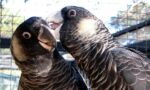
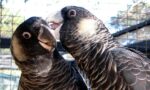
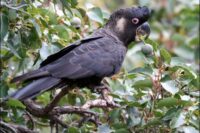
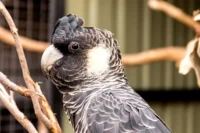
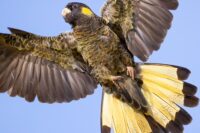
Carnaby’s Black Cockatoo (Zanda latirostris)
The Short-Billed Icon of the West
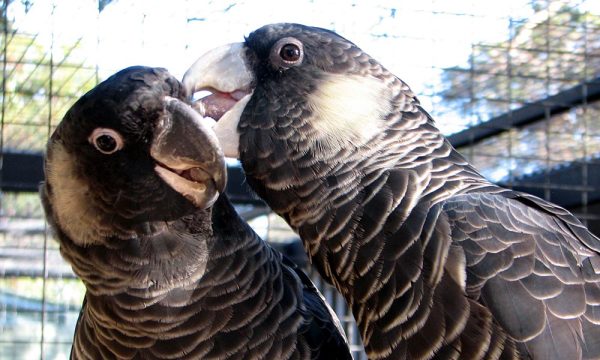
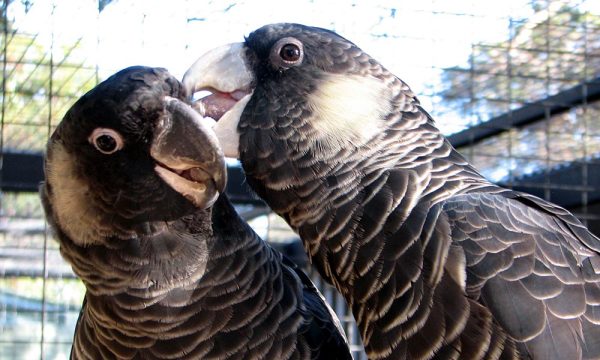
The Carnaby’s Black Cockatoo, also known as the Short-billed Black Cockatoo, is a majestic and highly social bird endemic to the southwest of Australia. Often identified by its loud, wailing “wy-lah” call, the Carnaby’s is a symbol of the Australian wilderness.
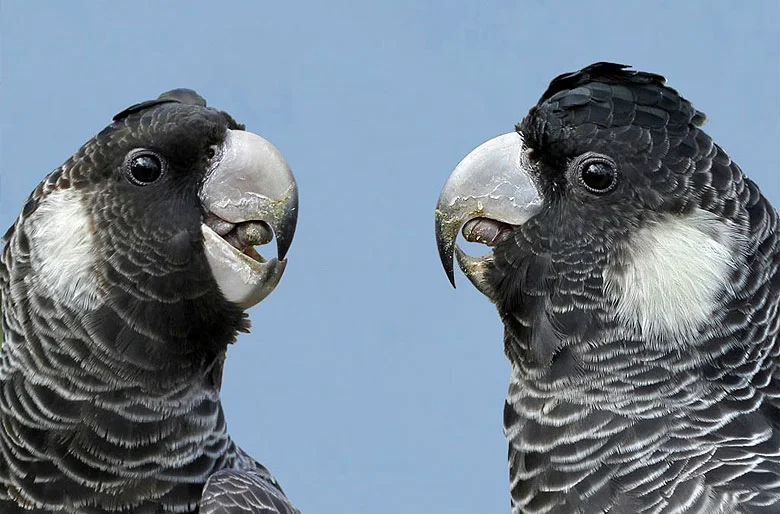
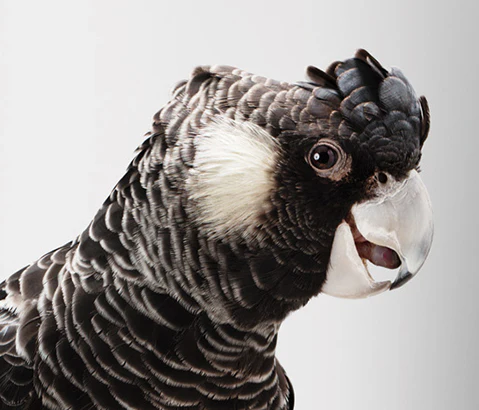
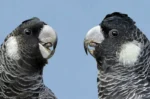
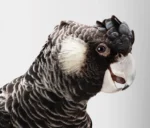
While they look very similar to their cousin, the Baudin’s, the Carnaby’s is distinguished by its shorter, broader beak, which is perfectly evolved for crushing the hard seeds of Banksia and Hakea plants. As an endangered species, they are deeply cherished by conservationists and bird enthusiasts alike.
Key Characteristics
-
The “Short Bill”: Their beak is shorter and wider than the Baudin’s, designed specifically for a “crushing” style of feeding on native nuts and pinecones.
-
Scalloped Plumage: Their body is covered in greyish-black feathers tipped with white, creating a beautiful “scalloped” or “frosted” effect across their chest and back.
-
White Flash: They feature prominent off-white cheek patches and a brilliant white band across their tail, which is especially striking when they are in flight.
-
Social & Gregarious: Carnaby’s are famous for traveling in large, noisy flocks outside of the breeding season. They are highly communicative and use a wide range of vocalizations to stay in touch with their flock.
Quick Facts
| Feature | Details |
| Common Name | Carnaby’s Black Cockatoo / Short-billed Black Cockatoo |
| Scientific Name | Zanda latirostris |
| Average Size | 21 to 23 inches (1.75 to 1.92 feet) |
| Lifespan | 40 to 50+ years |
| Status | Endangered |
| Temperament | Highly social, intelligent, and loud |
Care & Environmental Needs
Because of their status and specialized biology, Carnaby’s require expert-level care if kept in a sanctuary or conservation setting:
-
Foraging Opportunities: They are active foragers. Their environment should include natural Banksia, Hakea, and pine cones to satisfy their instinct to “crunch” and work for their food.
-
Flight Space: As a migratory species that travels long distances in the wild, they require massive aviaries. They are powerful fliers and need significant horizontal space to maintain their muscle tone.
-
Complex Social Needs: They do not do well in isolation. They require constant social interaction, either from human caregivers or, preferably, from other members of their own species.
A Species in Need of Protection
With their habitat in the Western Australian wheatbelt declining, the Carnaby’s Black Cockatoo is a high-priority species for conservation. Protecting their nesting hollows (which can take over 100 years to form in old eucalypt trees) is critical to their survival.
Related products

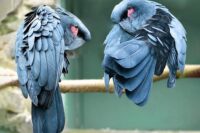
Black Palm Cockatoo
| Feature | Details |
| Common Name | Black Palm Cockatoo / Goliath Cockatoo |
| Scientific Name | Probosciger aterrimus |
| Average Size | 22 to 24 inches (1.83 to 2.0 feet) |
| Lifespan | 40 to 60+ years (can exceed 80 in some cases) |
| Temperament | Intelligent, steady, and majestic |
| Speech Ability | Moderate; they have a very distinct, "human-like" voice |
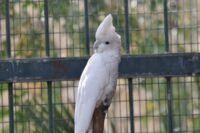
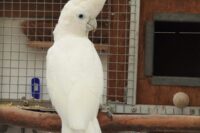
Ducorps Cockatoo
| Feature | Details |
| Common Name | Ducorps’ Cockatoo / Solomon Island Cockatoo |
| Scientific Name | Cacatua ducorpsii |
| Average Size | 12 to 13 inches (1.0 to 1.08 feet) |
| Lifespan | 40 to 50+ years with proper care |
| Temperament | Gentle, intelligent, and relatively quiet |
| Speech Ability | Moderate; known for being good mimics of sounds |


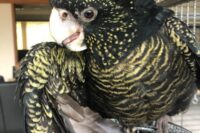

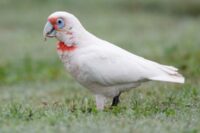
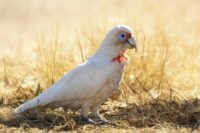
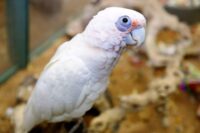
Slender Billed Cockatoo
| Feature | Details |
| Common Name | Slender-billed Cockatoo / Long-billed Corella |
| Scientific Name | Cacatua tenuirostris |
| Average Size | 15 to 16 inches (1.25 to 1.33 feet) |
| Lifespan | 40 to 60 years with proper care |
| Temperament | Highly intelligent, social, and inquisitive |
| Speech Ability | Excellent; often considered the best talkers among cockatoos |

Reviews
There are no reviews yet.