



Blue Throated Macaw
$1,149.99
| Feature | Details |
| Average Size | Approximately 33 inches from beak to tail |
| Lifespan | 50 to 60+ years with proper care |
| Diet | High-quality pellets, nuts (walnuts/macadamias), and fresh produce |
| Status | Critically Endangered; legally requires closed-banding and documentation |
The Blue-throated Macaw (Ara glaucogularis)
A Rare and Refined Companion
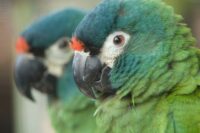
The Blue-throated Macaw is one of the most exquisite and sought-after parrots in the world. Often distinguished from its cousins by its elegant turquoise “bib” and more slender build, this species is celebrated for its inquisitive and gentle nature.
As a critically endangered species native to a small region of Bolivia, these macaws are as rare as they are beautiful, making them a centerpiece for any dedicated avian enthusiast.
Key Characteristics
-
Gentle Personality: Known for being less boisterous and more docile than the Blue and Gold Macaw, they are often described as highly empathetic and social companions.
-
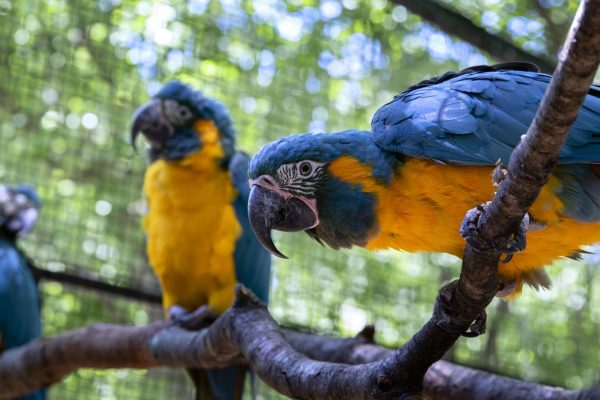
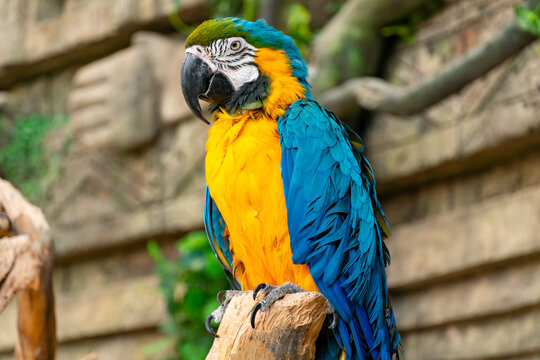
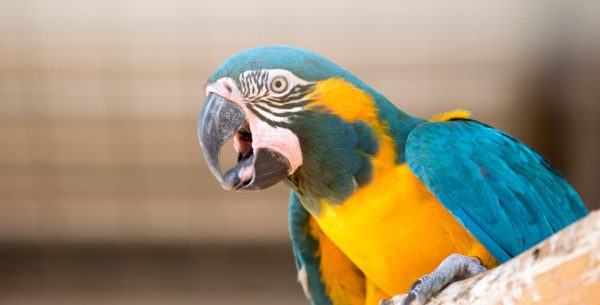
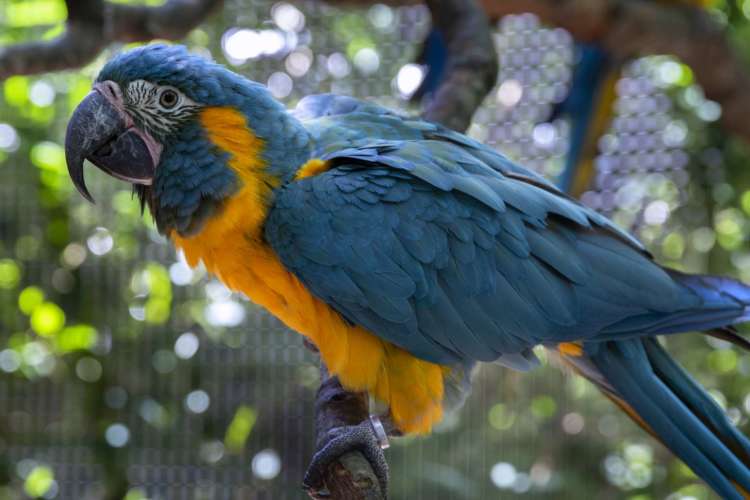
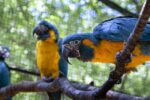
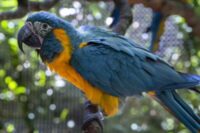
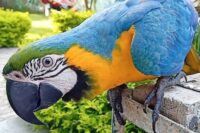
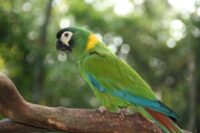
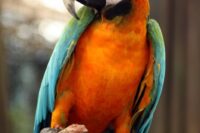
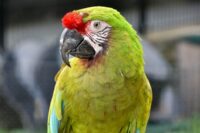
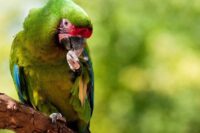
Striking Appearance: They feature a deep teal-blue on the upper parts and a vibrant gold underbelly. Their namesake turquoise throat patch is accented by a white facial patch with fine, dark-feathered lines.
-
High Intelligence: These birds are excellent problem-solvers and are known for their ability to learn words and mimic sounds with impressive clarity.
-
Manageable Size: Slightly smaller than the largest macaw species, they are often easier to handle while still providing the “big bird” experience.
Quick Facts
| Feature | Details |
| Average Size | Approximately 33 inches from beak to tail |
| Lifespan | 50 to 60+ years with proper care |
| Diet | High-quality pellets, nuts (walnuts/macadamias), and fresh produce |
| Status | Critically Endangered; legally requires closed-banding and documentation |
Care Requirements
Owning a Blue-throated Macaw is a long-term commitment that requires specific environmental standards:
-
Space: A large, durable enclosure and plenty of daily time out of the cage for flight and exercise.
-
Mental Stimulation: They require a constant rotation of wood-based chew toys and foraging puzzles to stay healthy and happy.
-
Social Interaction: These birds thrive on being part of the “flock” and require several hours of interaction with their owners daily.



Reviews
There are no reviews yet.